
Burger King is owned by Restaurant Brands International, which also owns Tim Hortons, Popeyes and Firehouse Subs. The head office sits in Toronto, not Miami, and that has been true since 2014.
Burger King Prices Mentioned in This Guide
| Item | Price | Calories | Protein | Sodium |
|---|---|---|---|---|
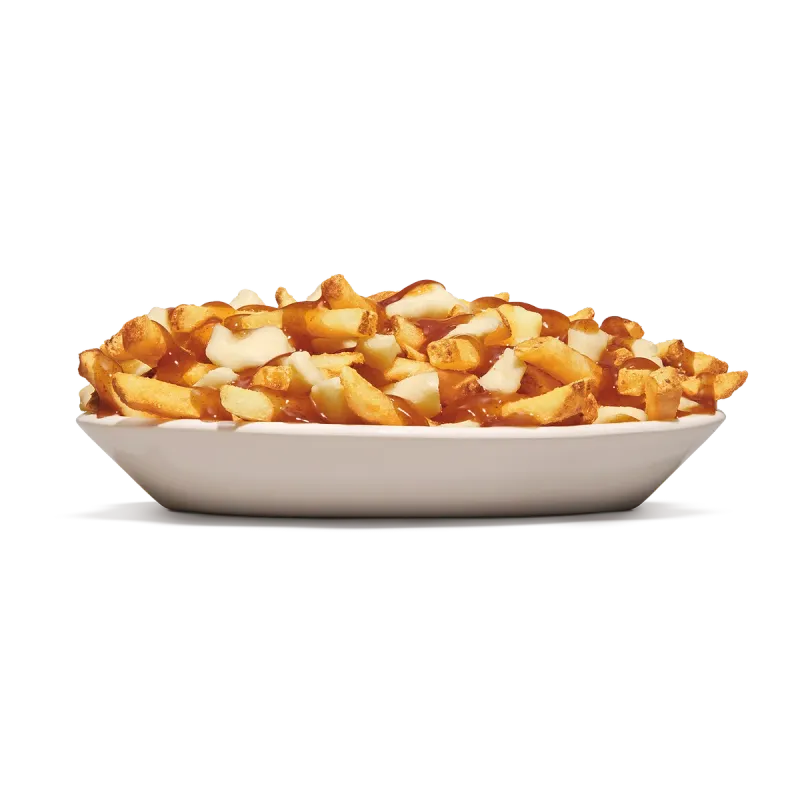
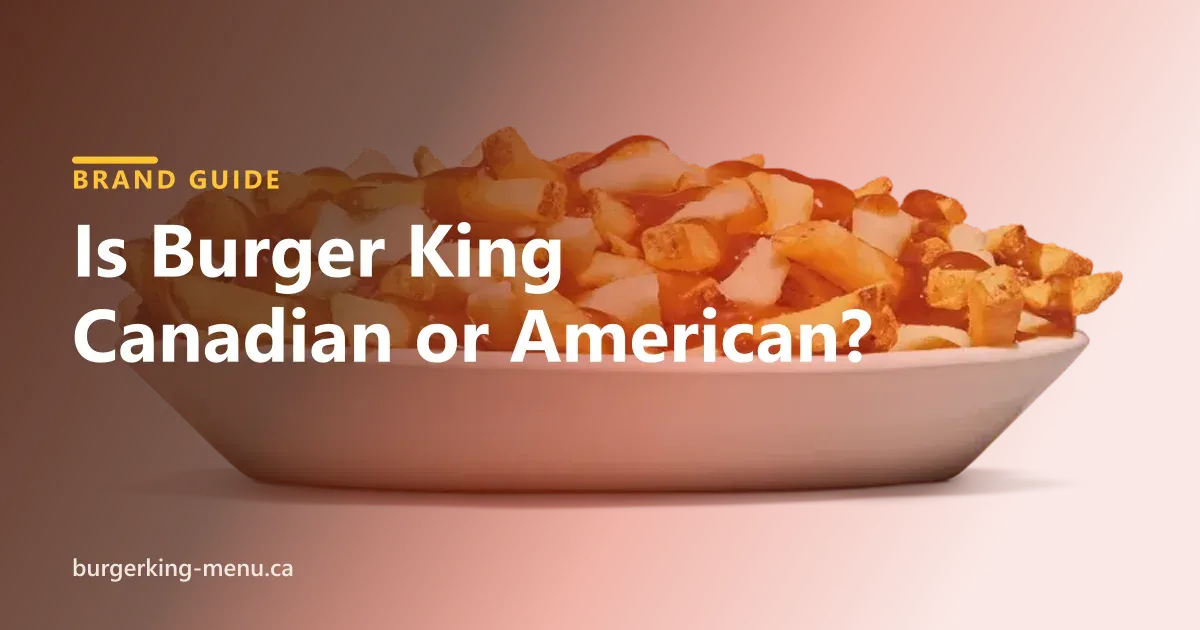
| Poutine | $5.99 | 770 cal | 15 g | 1840 mg |
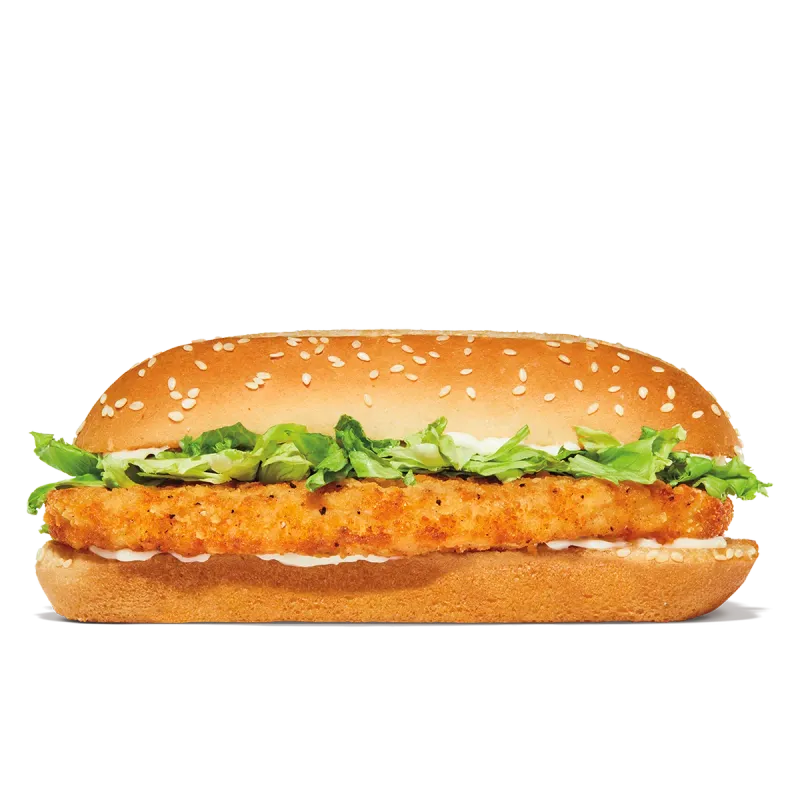
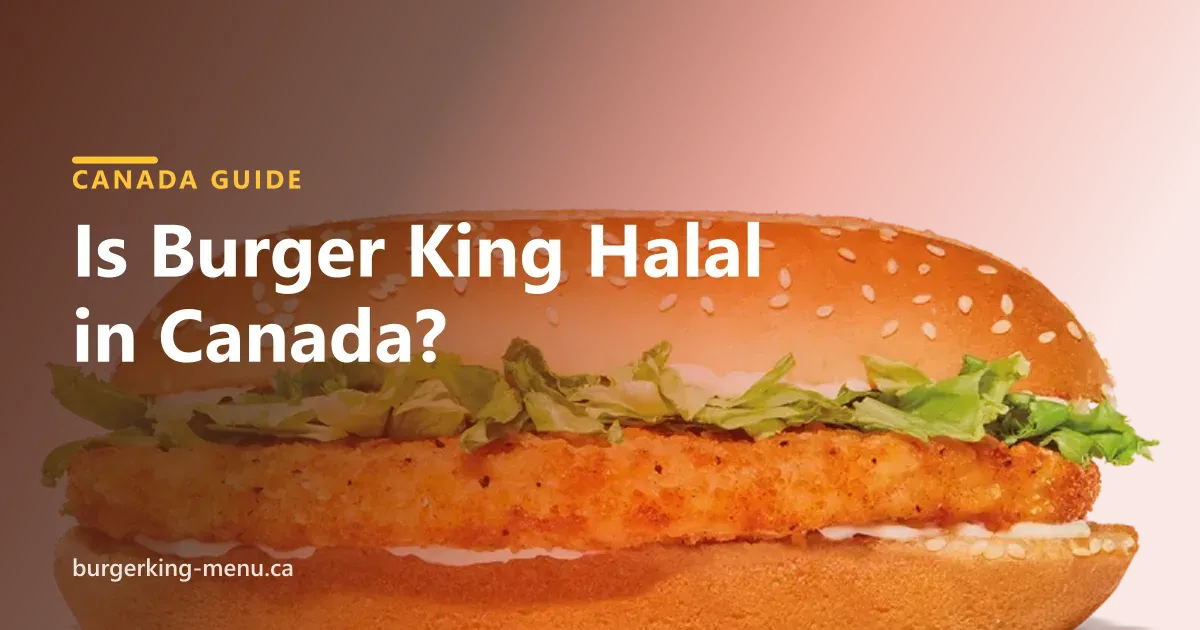
| Original Chicken Sandwich | from $6.59 | 680 cal | 23 g | 1300 mg |
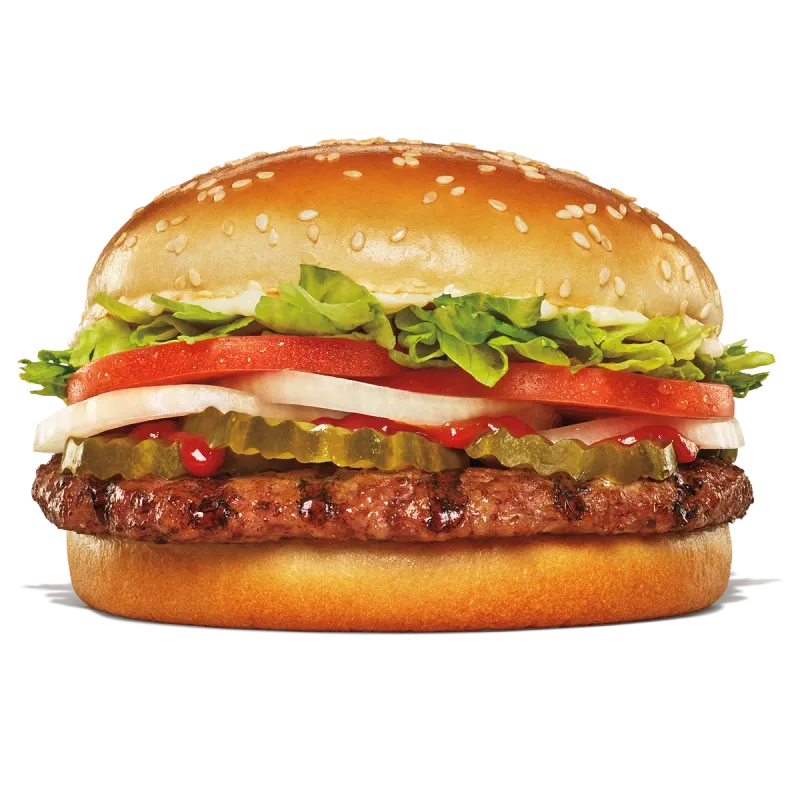
| Whopper | from $7.99 | 710 cal | 33 g | 1150 mg |
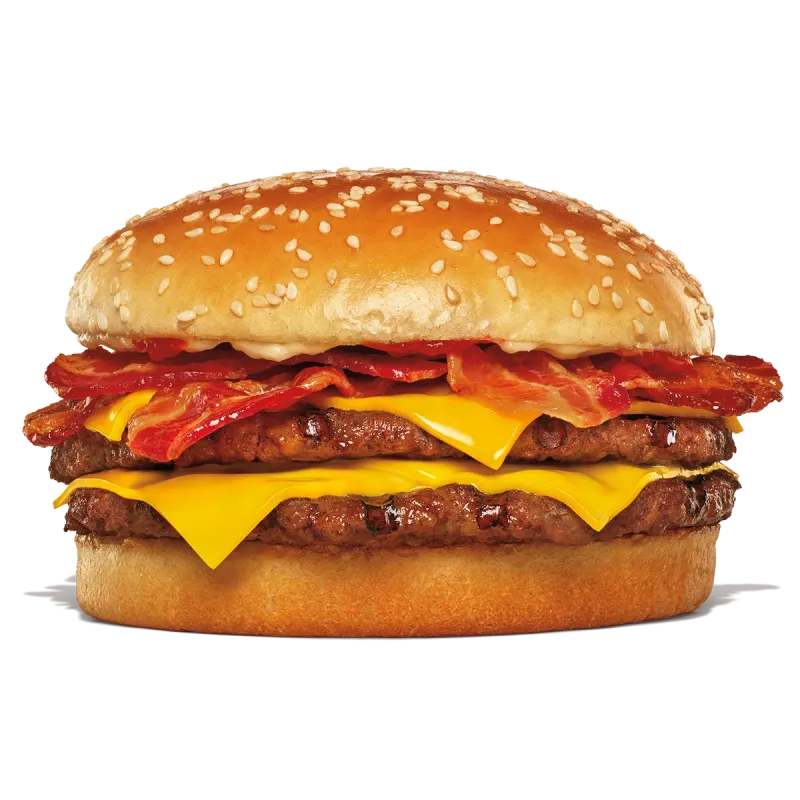
| Bacon King | from $10.99 | 1330 cal | 81 g | 2190 mg |
Prices in CAD and may vary by location. Data from publicly available Burger KingCanada information · Updated 20 October 2026. Report an error
Restaurant Brands International Owns Burger King
Burger King belongs to Restaurant Brands International, usually shortened to RBI. The company trades on both the New York Stock Exchange and the Toronto Stock Exchange, and its head office sits at 130 King Street West in Toronto. RBI also owns Tim Hortons, Popeyes Louisiana Kitchen and Firehouse Subs, which makes it one of the largest quick service restaurant groups in the world by restaurant count.
The structure matters for how the brand runs day to day. RBI holds the trademarks, sets the menu direction and runs national marketing, but it does not operate most restaurants. More than 95 percent of Burger King locations worldwide are franchised, meaning an independent operator owns the building, hires the staff and sets the prices. That is why a Whopper costs $7.99 at a downtown Toronto restaurant and often less in a smaller market.
Ownership shows up in the filings rather than on the packaging. RBI reports Burger King as one of four brands alongside Tim Hortons, Popeyes and Firehouse Subs, and each one keeps its own leadership and its own supply chain. A Canadian franchisee signs with the Burger King entity, not with RBI as a whole, then pays royalties and an advertising contribution measured against sales. None of that reaches the receipt. Pull up the full board on the Burger King burgers menu and every figure on it was set by the operator of that restaurant, not by anyone on King Street West.
How a Canadian Company Ended Up Owning Burger King
The deal happened in 2014. Burger King, then controlled by the Brazilian investment firm 3G Capital, merged with Tim Hortons in a transaction worth roughly 11 billion dollars. The combined company was incorporated in Canada and named Restaurant Brands International, with its head office in Toronto. Berkshire Hathaway backed the financing with 3 billion dollars in preferred shares, which put an American investor at the centre of a deal that moved a corporate address out of the United States.
The move drew attention in the United States because it was structured as a tax inversion, shifting the corporate domicile north. Burger King's executives argued the Toronto base reflected Tim Hortons' scale in Canada rather than tax planning alone. Either way, the outcome stands: the company that owns Burger King has been headquartered in Canada for more than a decade.
RBI kept expanding after that. It bought Popeyes in 2017 for 1.8 billion dollars and Firehouse Subs in 2021 for about 1 billion. Each brand keeps its own menu and identity, and the restaurants do not share kitchens.
Canadian customers felt the merger through the back office, not the counter. Menu development for Burger King Canada stayed on its own track, so the flame grill and the Croissan'wich carried on unchanged, while procurement, technology and loyalty work moved under one roof. Royal Perks and the Tim Hortons rewards program came out of teams reporting to the same executives, which is part of why the two apps behave so much alike. Offers that used to sit on paper coupons at the till now live in the Burger King app, and that shift was decided in Toronto rather than Miami.
Who Owned Burger King Before RBI
Burger King has changed hands more often than most major chains. James McLamore and David Edgerton founded it in Miami in 1954, building on an earlier concept called Insta-Burger King. Pillsbury bought the company in 1967 and held it for two decades, during which the Whopper became the anchor of the menu.
Grand Metropolitan acquired Pillsbury in 1989, and that business later merged into Diageo. Diageo had little interest in fast food and sold Burger King in 2002 to a group of private equity firms led by Texas Pacific Group. That group took the company public in 2006, and 3G Capital bought it again in 2010 before the Tim Hortons merger four years later.
Each owner left something behind. Pillsbury scaled the franchise system, the private equity years cut costs hard, and 3G brought the operating discipline that still shapes how RBI runs its brands.
The Insta-Burger King chapter is the one most summaries skip. Two operators launched it in Jacksonville in 1953 around a machine called the Insta-Broiler, and the machine kept breaking down. McLamore and Edgerton held the Miami franchise rights, scrapped the Insta-Broiler and built a chain-driven flame grill in its place, then bought the parent company outright and renamed the whole thing. So the flame grill under every Whopper today started as a 1954 equipment repair rather than a marketing idea. Ownership has turned over half a dozen times since then. The broiler never did.
Is It Worth Knowing Who Owns Burger King?
For most customers, no. The ownership structure does not change what arrives in the bag. A Bacon King costs $10.99 and carries 1330 calories regardless of who sits on the RBI board.
It does explain a few things you notice in Canada. Poutine on the menu at $5.99 is not an accident: a Toronto based parent company with a Tim Hortons portfolio understands the Canadian market well enough to localise. Price differences between restaurants make more sense once you know that the franchisee sets them, not head office. And the Royal Perks program running through the app rather than the counter reflects an RBI wide push toward digital ordering across all four brands.
If you are comparing Canadian fast food chains, it is also worth knowing that Burger King and Tim Hortons share a parent. They compete for the same breakfast customer while reporting to the same executives.
Three groups get real value out of the answer. Anyone buying RBI stock is buying Popeyes and Firehouse Subs at the same time, so a weak quarter at one brand lands in the same report as a strong one at another. Anyone weighing a franchise agreement deals with Burger King Canada as the franchisor, under a royalty structure written centrally and a build cost that runs into the millions. And anyone checking suppliers, labour practices or a boycott list needs the corporate entity rather than the storefront name, because in fast food those two almost never match.
The honest limit sits here. A head office address tells you nothing about how hot the grill runs at your nearest drive-thru, and nothing about what you will pay for a bag of food tonight. Two restaurants forty minutes apart can sit a dollar apart on the same sandwich because two operators looked at two very different rent bills. For the number that applies to you, check the board in the restaurant you actually use or the store locator for the closest one, not a press release from 130 King Street West.
Comments
No comments yet. Start the conversation below.