
Burger King Canada holds no national halal certification, and no Canadian restaurant is halal because of brand policy. A small number of individually owned locations have pursued certification on their own. The answer comes down to the franchisee, not the crown on the sign.
Burger King Prices Mentioned in This Guide
| Item | Price | Calories | Protein | Sodium |
|---|---|---|---|---|
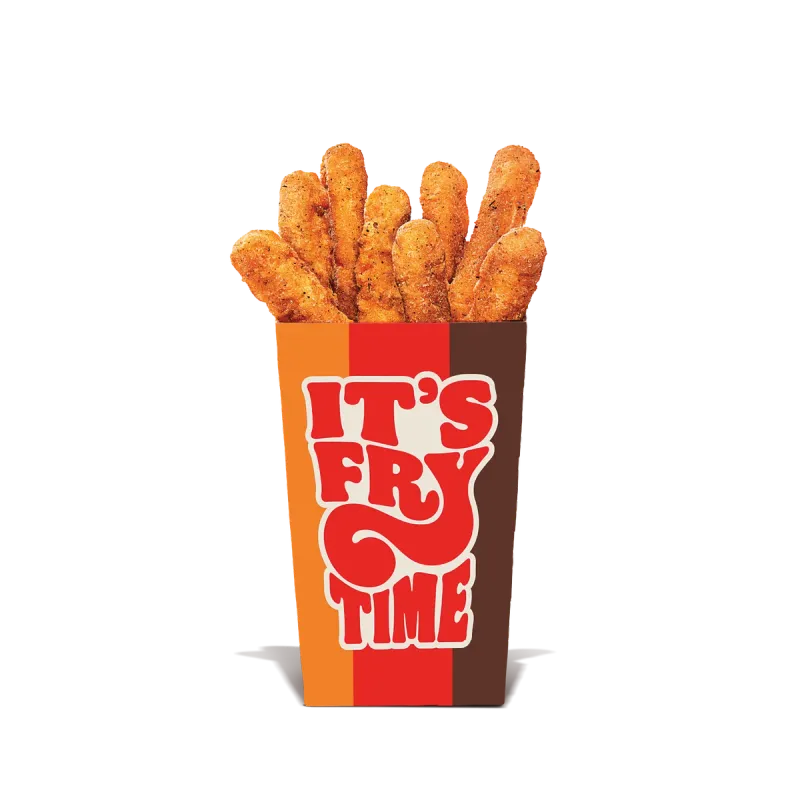
| Chicken Fries | from $3.09 | 520 cal | 25 g | 1220 mg |
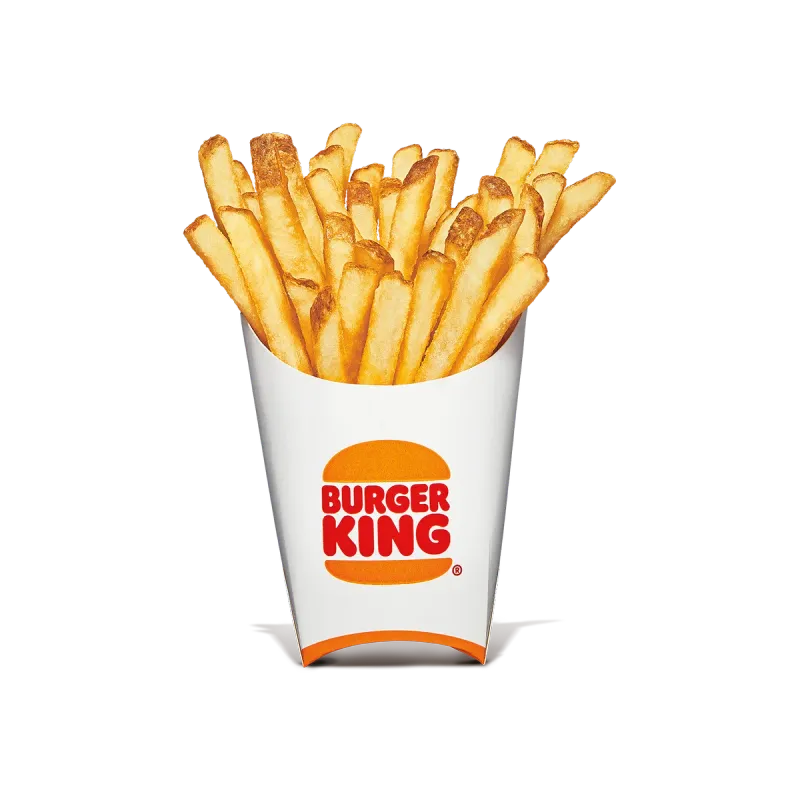
| Medium Fries | $4.19 | 380 cal | 4 g | 360 mg |
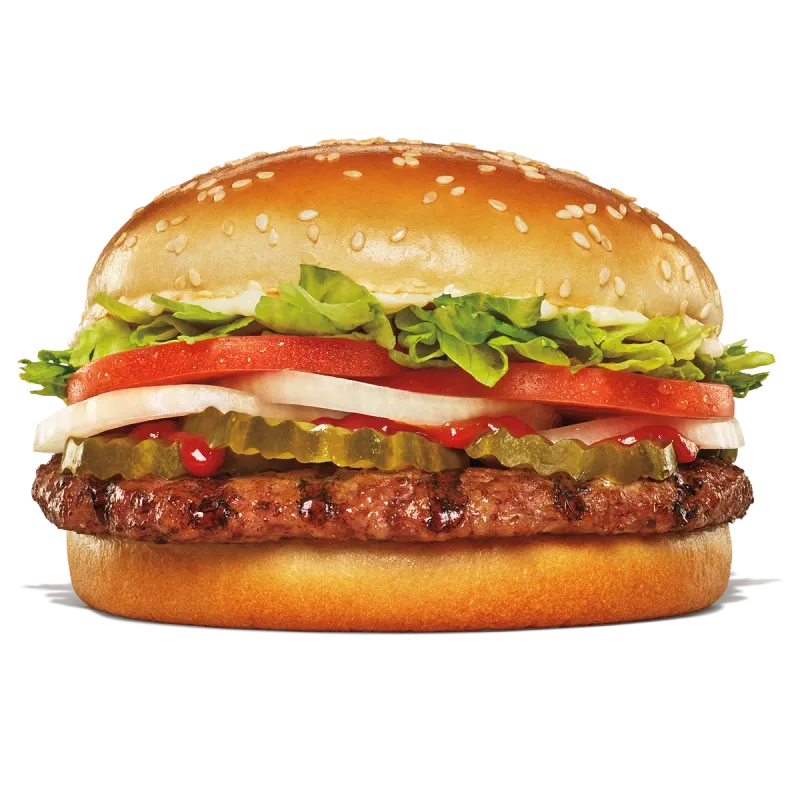
| Whopper | from $7.99 | 710 cal | 33 g | 1150 mg |
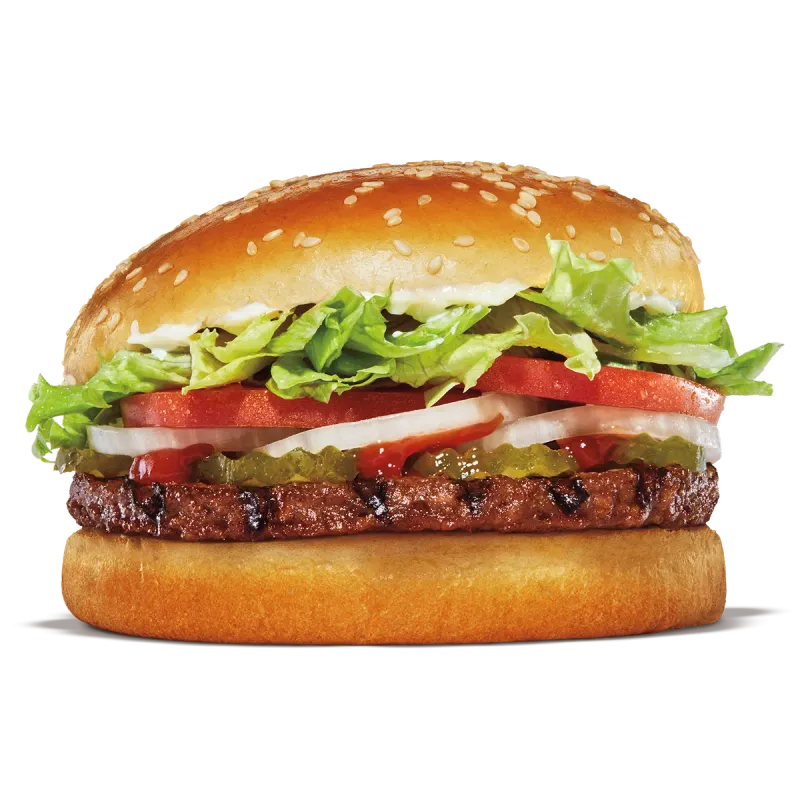
| Impossible Whopper | from $8.49 | 660 cal | 28 g | 1390 mg |
Prices in CAD and may vary by location. Data from publicly available Burger KingCanada information · Updated 21 September 2026. Report an error
The Short Answer: Not Nationally, and Not by Brand Policy
Burger King Canada does not certify its restaurants halal at a national level. No halal claim appears on the Canadian nutrition or allergen material, and the beef supply behind the flame grill is not audited to a halal standard. A Whopper costs $7.99 in Halifax and the patty formula is the same one served in Surrey, with no certification attached to either.
A small number of individually owned Burger King restaurants in Canada have pursued halal certification on their own initiative. That is a franchisee decision made restaurant by restaurant, usually in a neighbourhood with enough demand to justify a separate supplier, separate storage and a paid annual audit. It is not brand policy. It does not carry across the road to the next Burger King, and it can lapse the day the operator switches distributors or sells the business.
This page will not tell you that a specific address is certified. That status changes without public notice, and a stale claim does real harm to someone who trusted it. Treat every restaurant as not halal until you have seen the current certificate yourself. The store locator gives you the phone number for each restaurant, which is the only reliable place to start.
What Halal Certification Actually Requires
Certification is not a label a restaurant prints for itself. A certifying body inspects the animal slaughter first: the animal must be alive and healthy at slaughter, the throat cut must sever the windpipe and blood vessels in one motion, the name of God must be invoked, and the blood must drain fully. From there the auditor follows the meat forward. Pork in any form is out, alcohol as an ingredient or a processing aid is out, and enzymes, glycerin and flavouring carriers all get checked against the same standard. Buns are part of the audit too, since some commercial bakery products carry animal derived mono and diglycerides or L-cysteine. A sesame seed bun is not automatically clear just because it contains no meat.
The second half of certification is chain of custody, and it is the part most restaurants fail. Certified beef has to travel in dedicated or cleaned transport, sit in segregated storage, and get cooked on equipment that has not touched pork or uncertified meat. Staff need training records. The audit is repeated, usually every year. In Canada the work is done by bodies such as the Halal Monitoring Authority and the Islamic Food and Nutrition Council of Canada, and under the Safe Food for Canadians Regulations a halal claim on a food label has to name the certifying body behind it.
So the questions to ask a franchisee are narrow and answerable. Which certifying body issued the certificate, and what is the expiry date on it? Does the certificate cover the beef only, or the chicken as well? Is the fryer shared with any non-certified product, and is the broiler shared with bacon? A manager who can answer those four without hesitating has done the work. One who says "our beef is halal" and stops there has not. Our Burger King Canada FAQ covers the related sourcing questions people ask most often.
Shared Fryers, Shared Grills and the Plant Based Question
Burger King cooks its beef on a conveyor flame grill, and that single piece of equipment handles everything the restaurant broils. Beef patties, bacon strips for the Bacon King, and the chicken products that pass over it all ride the same chain through the same flame. Certified beef cooked seconds behind a strip of pork bacon fails most halal standards regardless of where the beef came from, which is why a certified restaurant needs a dedicated broiler and not just a dedicated supplier.
The fryer creates a second problem. Chicken Fries at $3.09 are breaded and dropped in oil that, at most Canadian restaurants, also handles the chicken sandwich fillets and the onion rings. Medium Fries at $4.19 come out of that shared oil in many kitchens. Fries are potatoes and salt, so people assume they are safe by default, and in a shared fryer setup that assumption does not hold.
The plant based option runs into the same wall. The Impossible Whopper costs $8.49 and carries 660 calories, and the patty itself contains no animal product. Burger King has been open about the fact that it is cooked on the same flame grill as the beef unless you ask for it to be prepared separately, and not every restaurant has a way to do that. A soy protein patty broiled on a grate that just carried bacon is a vegetarian product, not a halal one. The full veggie burgers menu lists what the plant based side of the board actually holds.
Is Burger King Worth Ordering If You Eat Halal?
Honest answer: if your standard is zabiha meat, no. A standard Canadian Burger King cannot meet it, and no amount of careful ordering changes the equipment. Ask for a Whopper with no bacon and you still get beef of unknown slaughter off a broiler shared with pork. People who want the burger badly enough sometimes talk themselves into it. That is a personal decision, and it is not one this page will dress up as compliance.
If your standard is narrower, meaning no pork and no alcohol rather than certified slaughter, the picture opens slightly. Coffee, soft drinks, the plain hash browns and the fish sandwich sit outside the pork question, though the fryer issue still applies to anything breaded. The plant based patty avoids animal protein entirely if the restaurant will cook it off the broiler. Verify the fryer and the grill at the specific restaurant instead of assuming, because the answer genuinely differs between two Burger Kings ten minutes apart. Breakfast is the weakest area of all, since sausage, bacon and ham run across the same flat top as the eggs.
The better alternatives are usually local. Toronto, Mississauga, Brampton, Montreal, Ottawa and Surrey all carry independent halal burger shops with certificates posted at the till, and several regional chains run fully certified supply chains with the paperwork visible on their websites. Those are the places where you get a burger and a clear answer at the same time. If you are at Burger King with people who eat there anyway, the burgers menu shows what everyone else is paying, and you can order a drink and settle the halal question somewhere else.
Comments
No comments yet. Start the conversation below.