
Burger King is American by origin and Canadian by head office. Two Miami operators built the chain in 1954, and the parent company that owns it today, Restaurant Brands International, has been based in Toronto since the 2014 Tim Hortons merger.
Burger King Prices Mentioned in This Guide
| Item | Price | Calories | Protein | Sodium |
|---|---|---|---|---|
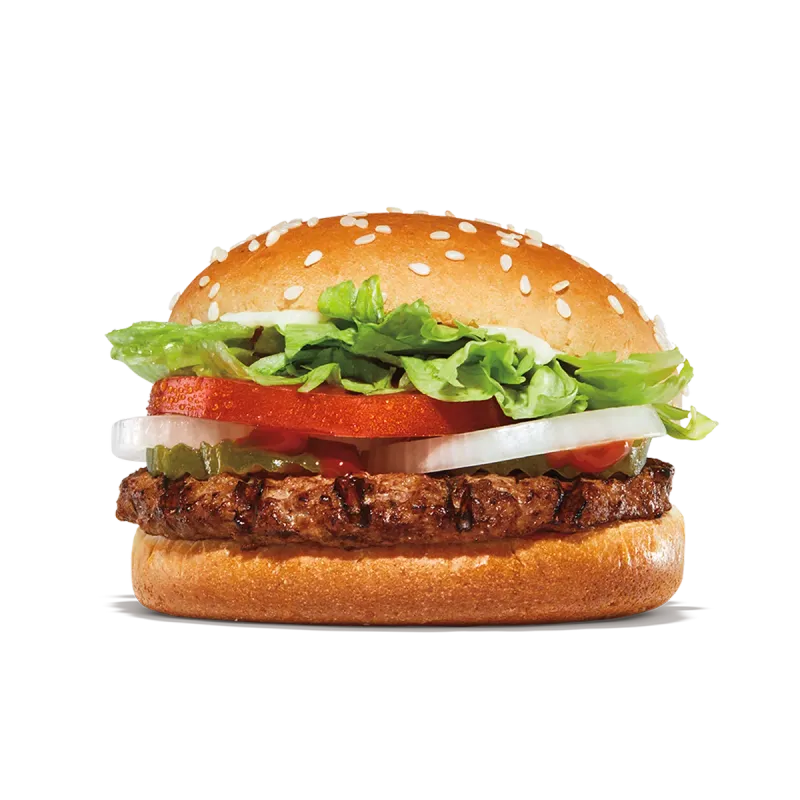
| Whopper Jr. | from $4.99 | 350 cal | 15 g | 500 mg |
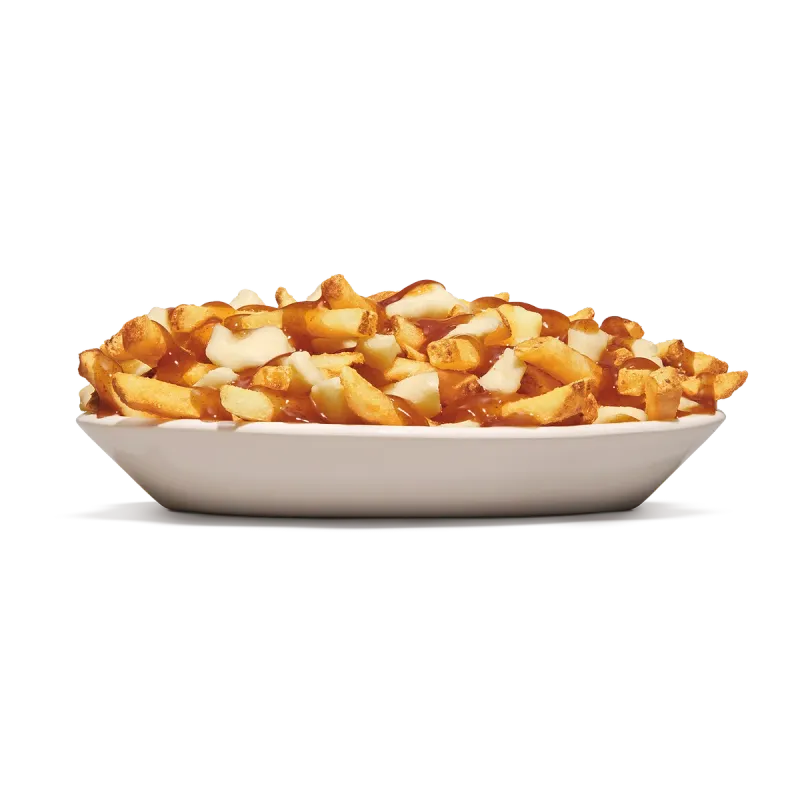
| Poutine | $5.99 | 770 cal | 15 g | 1840 mg |
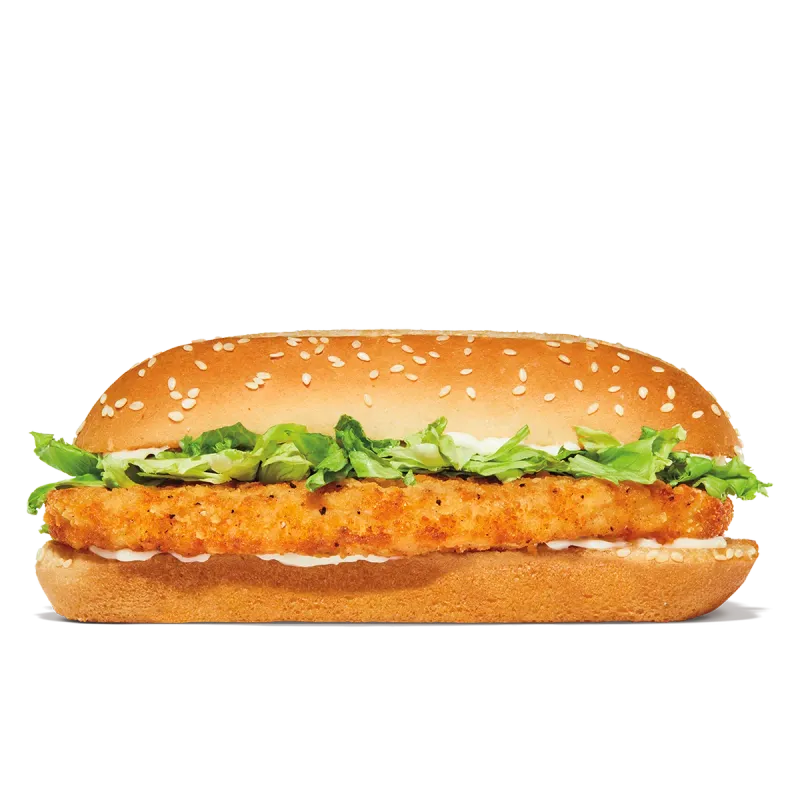
| Original Chicken Sandwich | from $6.59 | 680 cal | 23 g | 1300 mg |
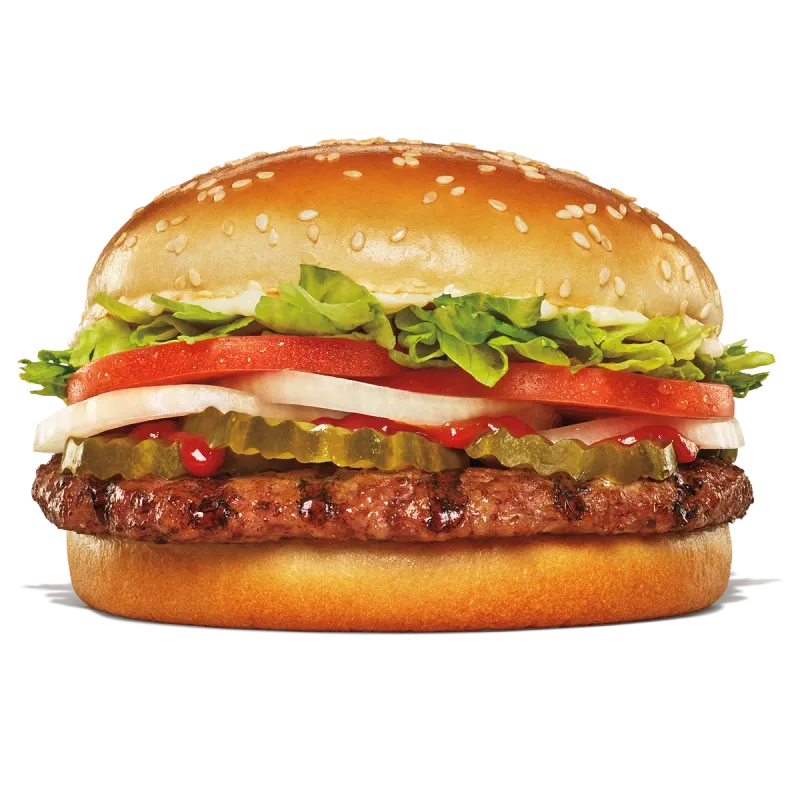
| Whopper | from $7.99 | 710 cal | 33 g | 1150 mg |
Prices in CAD and may vary by location. Data from publicly available Burger KingCanada information · Updated 10 November 2026. Report an error
American in Origin, Canadian at Head Office
The chain began in Florida. A concept called Insta-Burger King opened in Jacksonville in 1953, built around a machine that cooked patties on a rotating rack. Two franchisees in Miami, James McLamore and David Edgerton, ran the Florida operation, scrapped the machine in favour of a gas flame broiler, and bought the failing parent outright in 1959. The Whopper arrived in 1957 and sold for 37 cents. Every part of that story is American.
The company that owns the brand now is not. Restaurant Brands International is incorporated in Canada, files with Canadian securities regulators, lists on the Toronto Stock Exchange alongside the New York listing, and runs from a tower on King Street West in downtown Toronto. Tim Hortons folded its own head office into the same building in 2018 after decades in Oakville. The chief executive, the board meetings and the corporate filings are Canadian.
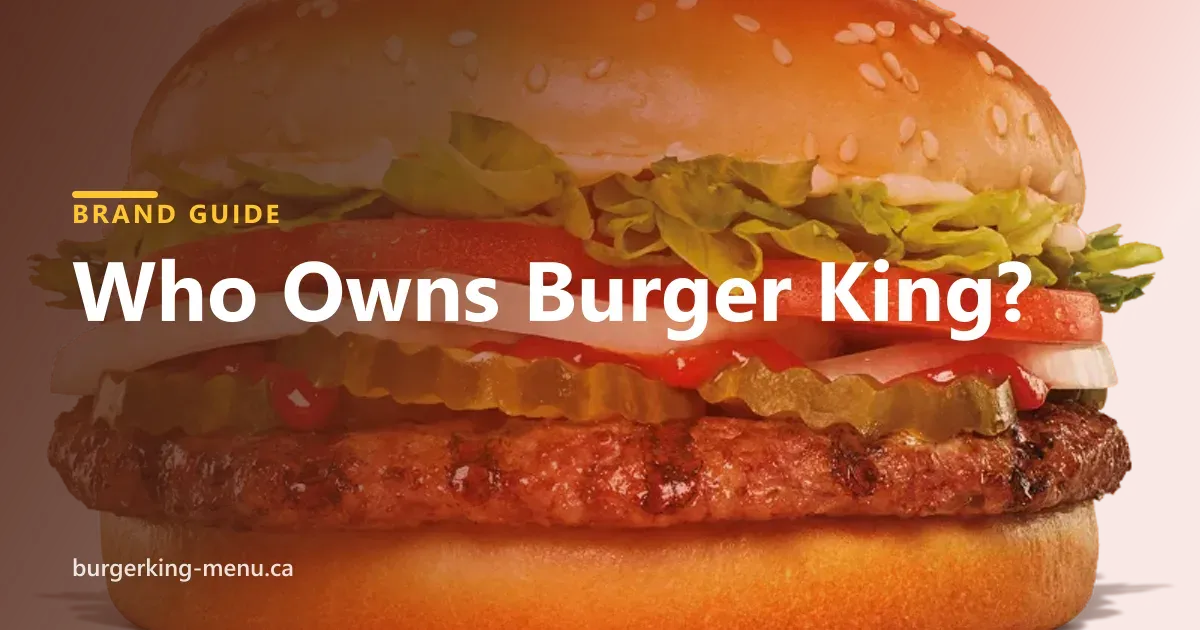
Burger King itself has been in Canada a long time. The first Canadian restaurant opened in Windsor, Ontario in 1969, and the chain grew through Ontario and Quebec before spreading west. A Whopper at $7.99 and a Whopper Jr. at $4.99 have been priced in Canadian dollars at Canadian franchises for more than fifty years, which is longer than most people arguing about the question have been alive. The restaurants themselves are run by Canadian franchise groups. Redberry Restaurants, based in Vaughan, Ontario, holds a large share of the Ontario network, and independent operators cover most of the rest. The person who hires your cashier and prints the price on the board is almost always Canadian, no matter where the trademark was born.
The 2014 Merger That Moved the Head Office North
In August 2014, Burger King Worldwide agreed to combine with Tim Hortons. Berkshire Hathaway put roughly 3 billion dollars into the deal through preferred shares, and the combined business took the name Restaurant Brands International with its corporate home in Canada. The two chains kept separate menus, separate kitchens and separate franchise agreements. What changed was the address on the letterhead.
American commentary latched onto the structure immediately. A US company that shifts its domicile to a lower tax jurisdiction through a foreign merger has performed what is called a tax inversion, and 2014 was the year Washington was fighting about them. Politicians called for boycotts. Burger King's leadership argued that Tim Hortons was the larger business in Canada by restaurant count and that the tax rate would barely move, an argument that later filings broadly supported. The criticism faded within a year. The Toronto head office did not.
The practical effect on the Canadian side was more supply chain than symbolism. RBI kept buying: Popeyes in 2017, Firehouse Subs in 2021. Canadian franchisees now sit inside a portfolio run from their own country, and menu decisions for Canada get made by people who live here. Canadian distribution, Canadian marketing budgets and Canadian franchise support all report through the same Toronto office that signs off on Tim Hortons. The Burger King Canada menu reflects that in ways an American visitor notices within thirty seconds of reading the board.
From Pillsbury to 3G Capital: Who Held It Before RBI
Burger King has passed through more hands than almost any chain its size. Pillsbury, the Minneapolis flour and baking company, bought it in 1967 for about 18 million dollars and held it for twenty two years. That stretch built the franchise system and the drive-thru network that still carries most of the volume. It also produced the long stretch of management churn that gave the brand its reputation for reinventing itself every few years. Pillsbury was a packaged goods company at heart, and a burger chain sat awkwardly beside flour and cake mix on the same balance sheet.
British conglomerate Grand Metropolitan took Pillsbury in a hostile bid in 1989, paying roughly 5.7 billion dollars, and the burger chain became a side asset of a company better known for spirits and hotels. Grand Met merged with Guinness in 1997 to form Diageo, which had no appetite for fast food at all. Diageo sold Burger King in 2002 to a consortium led by Texas Pacific Group with Bain Capital and Goldman Sachs Capital Partners, in a deal worth about 1.5 billion dollars after the price was cut twice.
That group relisted the company on the New York Stock Exchange in 2006. Four years later the Brazilian investment firm 3G Capital took it private again at 24 dollars a share, valuing it near 3.3 billion dollars including debt. 3G cut costs hard, refranchised company restaurants aggressively, and then engineered the Tim Hortons merger in 2014. Six owners in fifty seven years, and the current one is the first Canadian entry on the list.
Does the Canadian Head Office Change Anything You Order?
It changes the board more than people expect. Poutine sits on the Canadian menu at $5.99 and has for years, which no Burger King in Ohio can say. Prices are set in Canadian dollars by Canadian franchisees, nutrition is published to Health Canada's labelling rules rather than the FDA's, and the Ontario calorie posting law is why the number next to an Original Chicken Sandwich at $6.59 is on the menu board in the first place. Seasonal promotions run on Canadian timing, which means the fall push lands around Thanksgiving in early October, not late November.
Royal Perks is the other visible difference. The Canadian loyalty program runs through the BK app with its own Crown balances, its own offers and its own terms, separate from the American version. Coupons and app exclusive deals are priced and timed for this market. None of that is charity from head office. It exists because RBI runs Tim Hortons out of the same building and understands exactly how much Canadian breakfast traffic is worth.
Honest verdict: calling Burger King a Canadian company is a stretch, and calling it purely American is out of date. The brand is American, the recipes are American, the flame grill came out of Miami in 1954, and the corporate parent has been Canadian for over a decade. If the question is about corporate citizenship, RBI is Canadian. If the question is about where the Whopper comes from, the answer is Florida. For anyone deciding where to eat tonight, neither answer matters as much as what the restaurant down the road charges, and the common questions page is a faster route to that.
Comments
No comments yet. Start the conversation below.